Sermon for The Fifteenth Sunday after Trinity.
The Collect
KEEP, we beseech thee, O Lord, thy Church with thy perpetual mercy; and, because the frailty of man without thee cannot but fall, keep us ever by thy help from all things hurtful, and lead us to all things profitable to our salvation; through Jesus Christ our Lord. Amen.
The Gospel:
NO man can serve two masters: for either he will hate the one, and love the other; or else he will hold to the one, and despise the other. Ye cannot serve God and mammon. Therefore I say unto you, Be not anxious for your life, what ye shall eat, or what ye shall drink; nor yet for your body, what ye shall put on. Is not the life more than the food, and the body than the raiment? Behold the birds of the heaven, that they sow not, neither do they reap, nor gather into barns; and your heavenly Father feedeth them. Are not ye of much more value than they? And which of you by being anxious can add one cubit unto the measure of his life? And why are ye anxious concerning raiment? Consider the lilies of the field, how they grow; they toil not, neither do they spin: yet I say unto you, that even Solomon in all his glory was not arrayed like one of these. But if God doth so clothe the grass of the field, which today is, and tomorrow is cast into the oven, shall he not much more clothe you, O ye of little faith? Be not therefore anxious, saying, What shall we eat? or, What shall we drink? or, Wherewithal shall we be clothed? For after all these things do the Gentiles seek; for your heavenly Father knoweth that ye have need of all these things. But seek ye first his kingdom, and his righteousness; and all these things shall be added unto you. Be not therefore anxious for the morrow: for the morrow will be anxious for itself. Sufficient unto the day is the evil thereof. The Gospel. St. Matthew 6: 24-34

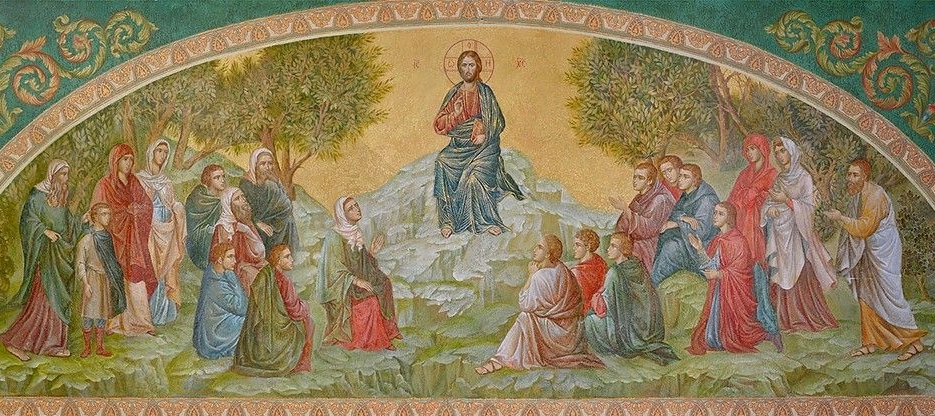
Sermon for The Fifteenth Sunday after Trinity
He who strives to serve God, who with his mind loves God above all, serves only one Master – God. And he who serves God cannot at the same time serve mammon. Mammon comes from the Aramaic word mamona and means property, that is, material wealth. Either we are servants of God, or we are servants, that is, slaves of mammon. Devotion to God must be undivided. By this Christ does not say that it is a sin to be rich but that it is a sin to be enslaved to wealth. Enslavement to wealth is idolatry, for unlike God, who is the Creator, wealth, that is, all that we possess, is only a creature.
When we are enslaved to our possessions, then they possess us and not we them. Then we are slaves and dependents on what is transient and perishable. The Psalmist says: “If riches increase, set not your heart upon them” (Ps. 62:10). Interpreting these words of Christ, St. John Chrysostom says: “Christ says: riches are not harmful to you only because they arm robbers against you and completely darken your mind; they are harmful above all because they make you captives of soulless wealth, they separate you from serving God and harm you by making you slaves of that which you ought to rule over… And how then did Abraham and Job please God, you ask? Do not mention to me the rich, but those who were enslaved to wealth. Job was rich, but he did not serve mammon; he had wealth and ruled over it, he was its master and not its slave. Job used wealth as a steward of another’s property, not only did he not steal from others, but he gave of his own possessions to those who had none.”
Those whose spiritual eyes are closed, who live in spiritual darkness and are enslaved to their wealth, are actually in fear for their future. Their steps are uncertain. However much they may have, it is never enough. Therefore Christ calls His disciples not to burden themselves with unnecessary care, that is, anxiety for their life. Many, because of constant fear of the future, miss the present. Often we can hear from people who were focused only on accumulating material wealth how they regret many things they missed in life.
These words of Christ must not be understood lightly, as if He encourages idleness, laziness, and healthy care for essential needs. Christ does not speak against work and effort, for even the birds of the air must put in much effort and strength to find food. Christ does not forbid work but anxious worry about “what ye shall eat, or what ye shall drink; nor yet for your body, what ye shall put on.” Christ emphasizes food, drink, and clothing because these are essential needs.
Three times in the 6th chapter of the Gospel according to Matthew Christ repeats “Take no thought” (vv. 25, 31, 34). “Take no thought for your life” actually means, “Do not worry anxiously,” or “Do not be fearful.” St. Paul also reminds us of this: “Be careful for nothing…” (Phil. 4:6). Christ clearly says that with anxious worry we cannot change anything: “Which of you by taking thought can add one cubit unto his stature?” Anxious worry will in fact harm not only our spiritual but also our mental health. He who has sound spiritual sight knows that God has created our life and sustains it. If we are in communion with Him and if we act responsibly toward our life, which includes our labor for our “daily bread,” then God will not leave us hungry, thirsty, or naked. If God cares for the birds of the air and the flowers of the field, how much more will He care for us. Excessive anxiety that leads to worry, anxiety, and deep restlessness in our souls is a lack of faith: “Wherefore, if God so clothe the grass of the field, which today is, and tomorrow is cast into the oven, shall he not much more clothe you, O ye of little faith?” The true meaning of faith in God is trust in Him. Perhaps we believe in God, but the real question is, do we trust Him? If we trust Him, then we will have confidence in Him both for our present and for our future.
However, Christ here emphasizes that there is something much more important even than these essential human needs. That is our soul. Our body is transient, our needs for food, drink, and clothing will one day cease. But our soul remains for eternity. Therefore it is necessary to nourish it rightly, that is, to lay up treasure in heaven, of which Christ speaks in the verses preceding today’s Gospel: “Lay not up for yourselves treasures upon earth, where moth and rust doth corrupt, and where thieves break through and steal: But lay up for yourselves treasures in heaven, where neither moth nor rust doth corrupt, and where thieves do not break through nor steal: For where your treasure is, there will your heart be also” (Matt. 6:19–21).
This care for heavenly treasure, which should be primary for us, will bring us peace and security when it comes to temporal needs, about which Christ says, “for your heavenly Father knoweth that ye have need of all these things.” Therefore it is important to put God first: “But seek ye first the kingdom of God, and his righteousness; and all these things shall be added unto you,” says the Lord. To seek first the Kingdom of heaven means to strive to do God’s will in our life. This is what we pray for at the beginning of the Lord’s Prayer. First we pray “Thy will be done” and then “Give us this day our daily bread.” For, as the Lord says: “For what shall it profit a man, if he shall gain the whole world, and lose his own soul?” (Mark 8:36).
When we have God, we possess true imperishable wealth. Even our Croatian word for “wealth” (bogat) reflects this truth, for it is derived from Bog, the Croatian word for “God.” Thus, truly rich is the one who has God. And when we have God, we have all that we need for eternity; and when we trust Him and do His will, we have all that we need for this earthly life. Amen.

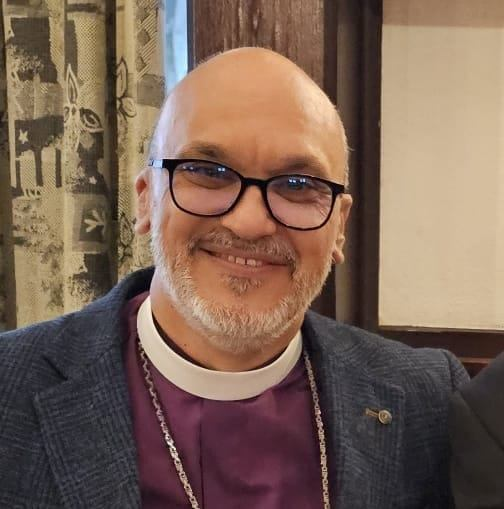
Rt.Rev. Jasmin Milić,Ph.D (Reformed Episcopal Church in Croatia and Serbia)
More about the Reformed Episcopal Church in Croatia and Serbia can be found here.