

From Birmingham to Tordinci: A Eucharistic Chalice of Christian Fellowship, Faith, Hope, and Restoration
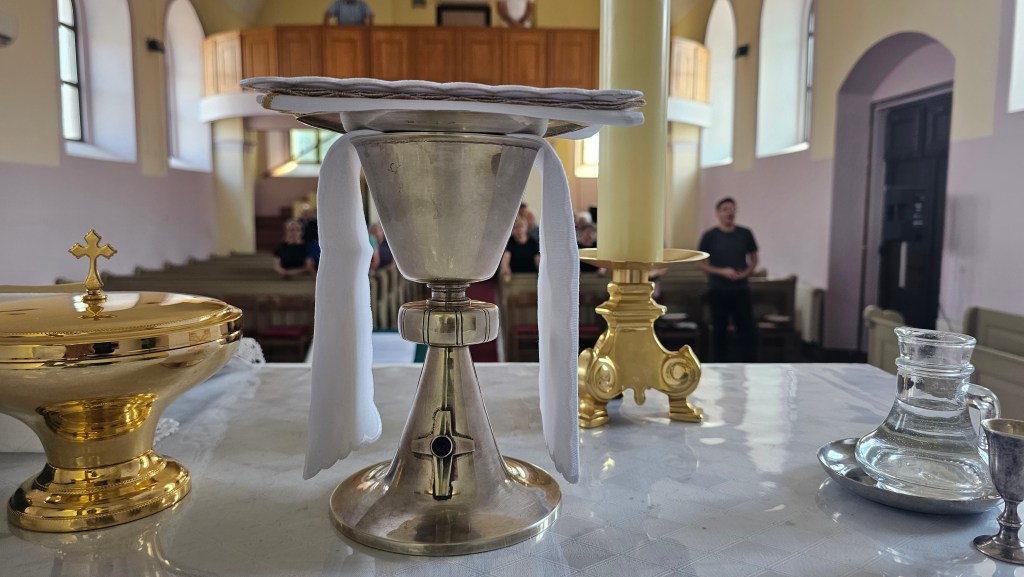
Some church treasures possess far greater value than the precious metal from which they are made. They become silent witnesses to history, faith, suffering, and God’s providence. The silver Eucharistic chalice of the Reformed episcopal Parish in Tordinci is one such treasure. More than a liturgical vessel, it is a visible sign of Christian fellowship that transcended political borders, ideological divisions, and even the devastation of war.
The Oldest Protestant Parish in Croatia
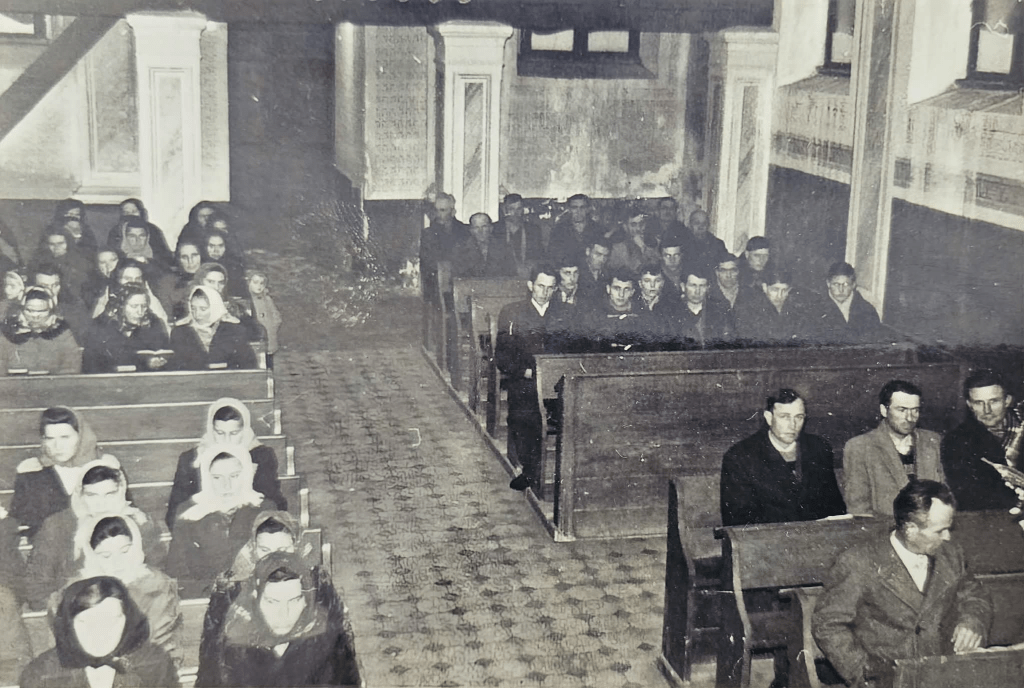
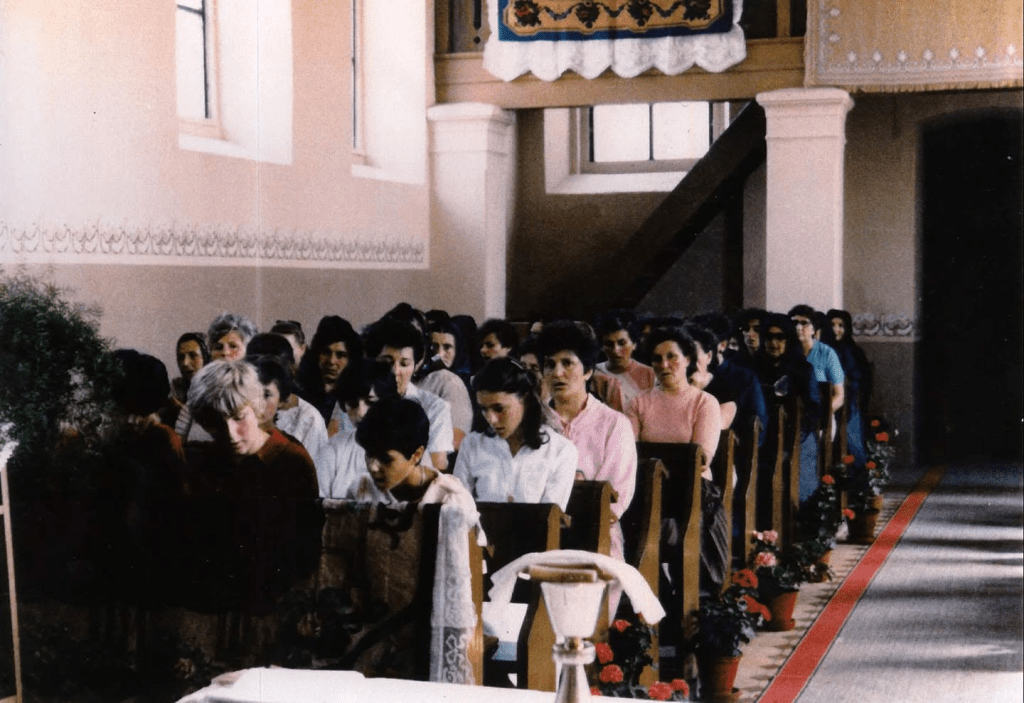
I became rector of the Reformed Parish in Tordinci in 1999, shortly after the Croatian War of Independence (1991–1995). The village had been under occupation during the war, and the consequences of the conflict were evident everywhere. Almost every house bore the scars of shelling, while both the Reformed and the Roman Catholic churches had been heavily damaged and desecrated.

The human cost was even more tragic. In the centre of the village, in front of the Roman Catholic church, a mass grave containing the remains of 208 civilians from Tordinci and the surrounding villages was later discovered.
Following the peaceful reintegration of Eastern Slavonia, life slowly returned to the village. In 1999, the spiritual renewal of the congregation began alongside the physical reconstruction of homes, churches, and community life. We started restoring the church building, the rectory, and the parish hall.
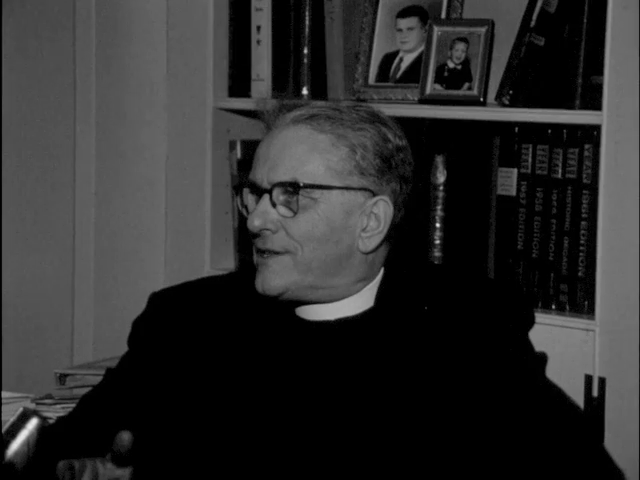
Among all the church furnishings, only one significant object had survived the war—the silver Eucharistic chalice. At the outbreak of hostilities in 1991, the then minister, the Rev. Endre (Andrew) Langh, had taken the chalice with him into exile, preserving it from destruction. After the war, it returned to Tordinci, where it once again became the vessel from which Holy Communion was celebrated.
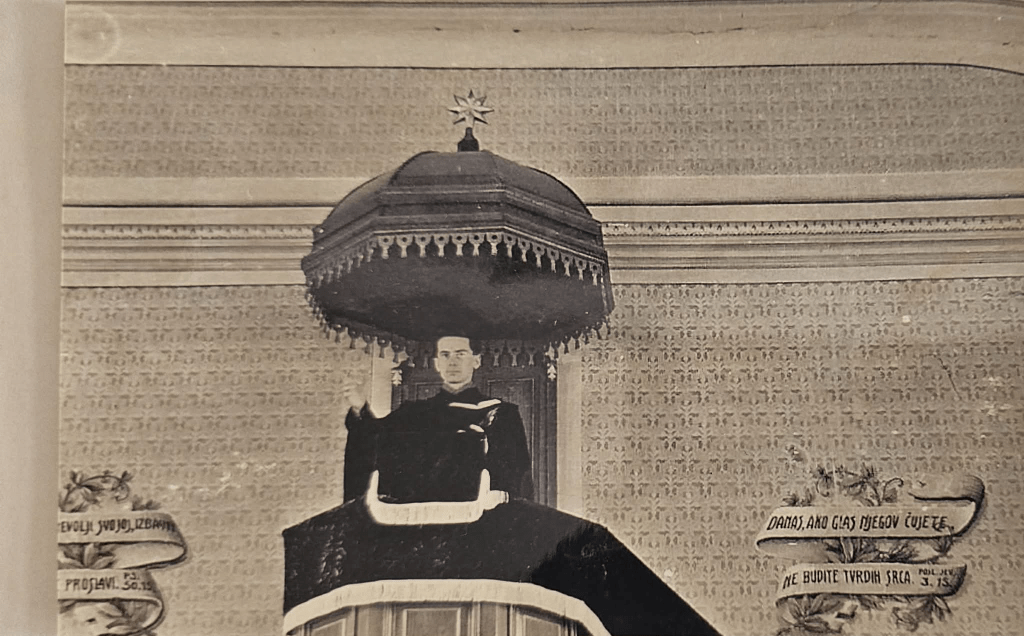
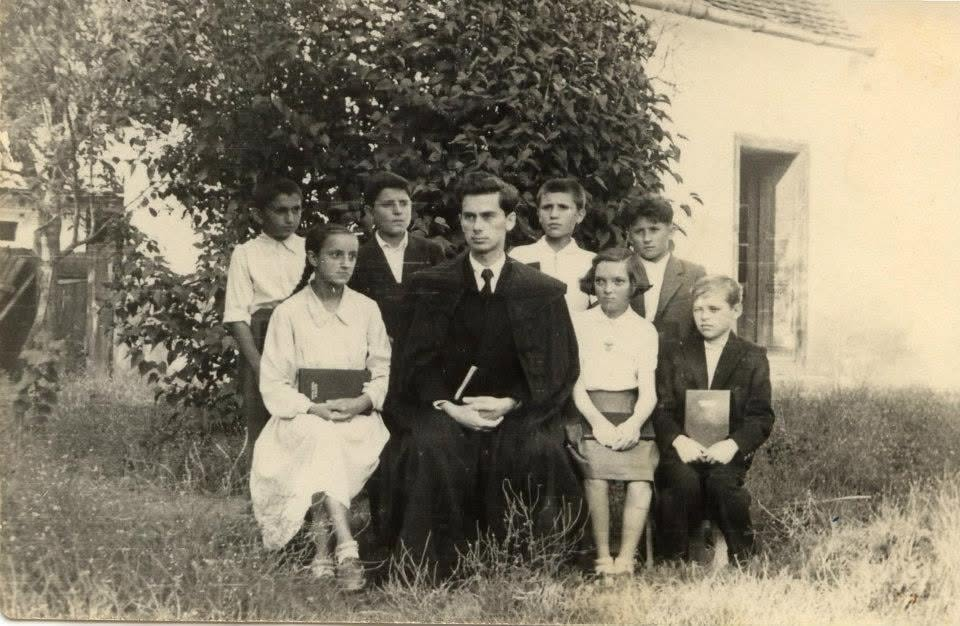
The Rev. Endre (Andrew) Langh (24 July 1930 – 29 October 2024) devoted nearly four decades of his ministry to the Reformed congregation in Tordinci, serving from 1953 until 1991. Following the occupation of the village during the Croatian War of Independence, when the congregation was forced into exile, he continued faithfully to shepherd his scattered flock. His pastoral ministry among the displaced members of the parish continued until their return to Tordinci in 1999, when both the congregation and its historic church began a new chapter of restoration and renewal.
At that time, however, we knew very little about its origin.
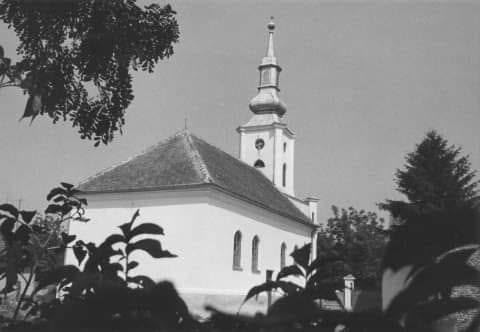
The history of the parish spans nearly five centuries. Tordinci is the oldest ethnic Croatian Protestant parish in present-day Croatia. It was first mentioned on 17 May 1551, when the first Protestant synod in this region was convened there. Since then, the congregation has maintained an unbroken witness to the Gospel for almost five hundred years.
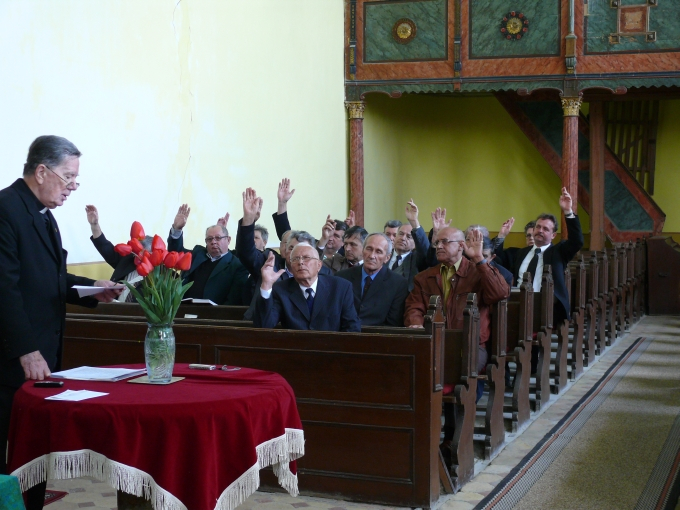
The present church building was constructed in 1863 and enlarged in 1898. Severely damaged during the war, it was carefully restored between 1999 and 2002.
Although rooted firmly in the Reformed tradition, the late Rev. Endre Langh cultivated warm friendships with Anglican bishops and clergy. As a result, elements of the Book of Common Prayer were gradually introduced into the parish’s worship long before any formal ecclesiastical relationship existed.
In 2011, together with seven other parishes in Croatia and Serbia, the congregation entered the jurisdiction of the Reformed Episcopal Church, strengthening historic ties that had already existed on a personal level for decades.
From Birmingham to Tordinci: A Eucharistic Chalice of Christian Fellowship, Faith, Hope, and Restoration
A Chalice with an Unknown Story
When I assumed responsibility for the parish in 1999, the silver chalice immediately attracted my attention. An inscription engraved upon it revealed that it had been presented by St Martin’s Church, Birmingham (Church of England), and bore the date 4 August 1963.
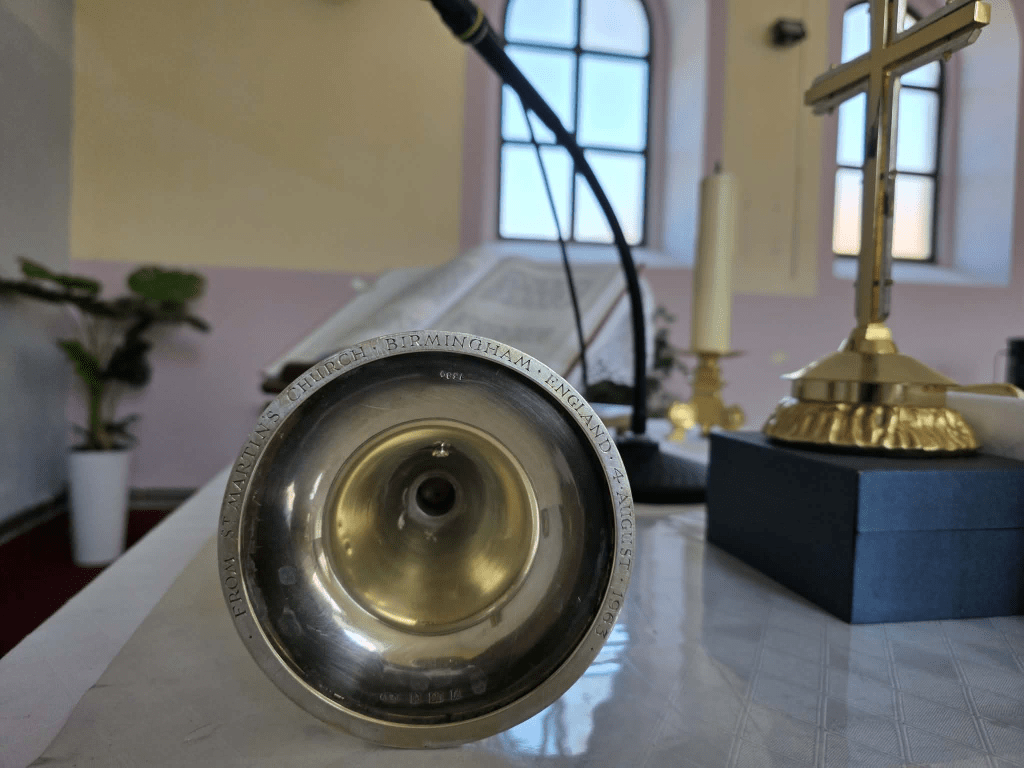
Unfortunately, because Rev. Endre Langh had gradually become separated from the parish after his retirement, no detailed account of the chalice’s history had been preserved.
As the parish archives were completely destroyed during the war, no written records remained to reveal how this remarkable chalice had come to Tordinci.
In 2012 I briefly visited St Martin’s Church in Birmingham while travelling in England, but on that occasion I had no opportunity to discover more about the gift.
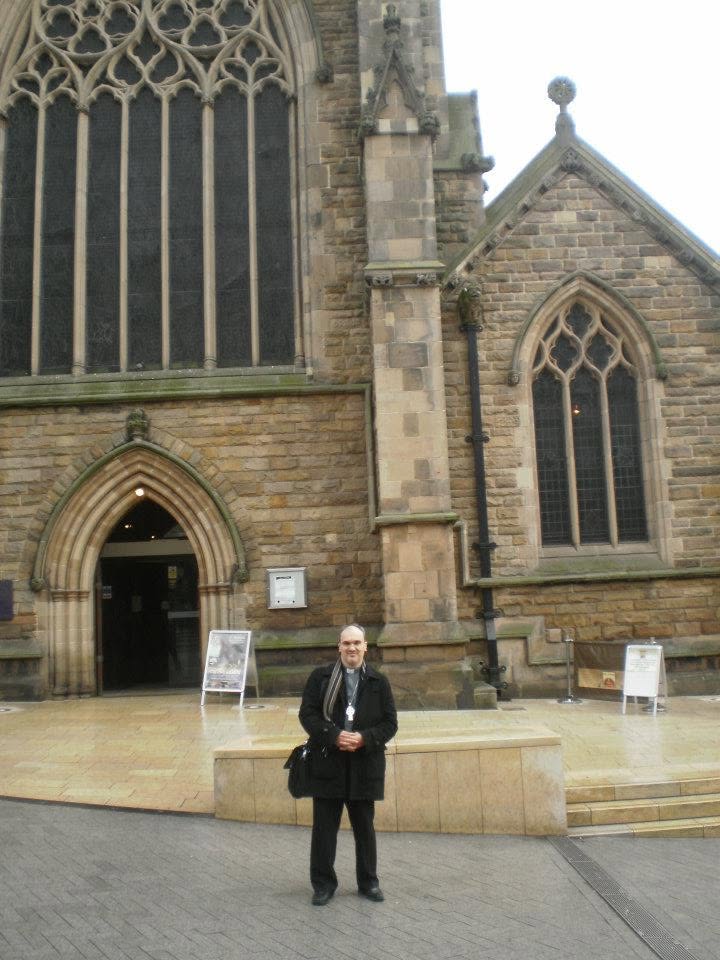
Only recently did the mystery begin to unfold.
A few days ago I contacted the Rector of St Martin’s Church, the Rev. Canon Jeremy Allcock. Through his kindness and the dedicated research of Tina Brogan, who examined historic parish magazines preserved in the archives of Birmingham Central Library, I finally obtained documents that reveal how this remarkable gift came to Tordinci.
They tell the story of a young Reformed minister from Yugoslavia who travelled to Birmingham in 1961. During his visit he preached at St Martin’s Church, speaking about the life and witness of Christians living under a Communist regime.
Although we still do not know exactly how Rev. Langh first established contact with St Martin’s, the parish magazine records both his visit and the deep impression he made upon the congregation. The magazine also preserved a letter of gratitude that he later sent from Yugoslavia.
His words speak not only of personal thankfulness but also of profound Christian fellowship across political and ideological boundaries.
“By this way I wish to say thanks to you for your invaluable kindness. I cannot express the gratitude I feel to God, and to you who are a blessed means in His holy hands, for the inspiring opportunity to worship Him together with His people in St. Martin’s, and to preach Christ there. This gratitude, as any true one, cannot be expressed properly in words or letters, but in life, in a more dedicated service. May God help me to render Him thanks by serving Him according to His holy will. And, I am sure, this is the gratitude you expect from anyone whom you serve in His Name.
You, a distinguished and excellent servant of the Lord, received me, an unknown and small child of Christ, with sincere brotherly love, so that I felt myself really at home with you. May the Lord reward you according to His Word.
May I ask you to give my best wishes to your church and to the church in Tordinci, Yugoslavia, and from me personally. I remember you daily in my prayers, praising God for you all and for the faith He gave to you, for the prayers you offered for us.
May God bless you, yours, those entrusted to your pastoral care, and all you do to His Name’s glory.
Gratefully yours in His love,
Andrew Langh.”
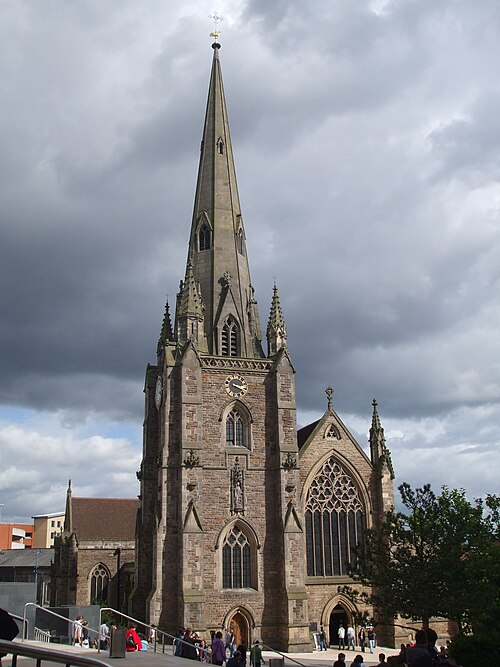
St Martin in the Bull Ring is the historic parish church of Birmingham and one of the city’s oldest Christian sites, with worship documented there since 1263. Standing at the heart of Birmingham for more than seven centuries, it has witnessed the city’s transformation from a medieval market town into a major industrial and commercial centre. The present church, completed in 1875 to the designs of the Victorian architect J. A. Chatwin, preserves the magnificent medieval tower and spire of its predecessor, creating a remarkable blend of medieval and Gothic Revival architecture. Today, St Martin’s remains one of Birmingham’s most significant historic churches and an enduring symbol of the city’s Christian heritage.
The Visit that Sealed the Friendship Between Two Churches
Two years after the Rev. Endre (Andrew) Langh preached at St Martin’s Church in Birmingham, its then Rector, Dr Bryan Stuart Westmacott Green (1901–1993), travelled to Tordinci with his wife to visit the Reformed congregation there.
Dr Green described this journey in the July 1963 edition of the parish magazine under the title “Rector’s Notes.” Recalling Langh’s visit to Birmingham two years earlier, he wrote that the young minister’s sermon about the witness of Christians living in Communist Yugoslavia had deeply moved the congregation of St Martin’s. Their correspondence continued after Langh returned home, and Green began to consider how he might offer a tangible expression of Christian fellowship to this small Protestant congregation.
During a visit to the United States earlier that year, Dr Green received a financial gift intended to support a special Christian ministry. Rather than using the funds elsewhere, he wrote to Rev. Langh asking whether a visit to Tordinci—entirely at his own expense—would be welcomed as a gesture of Christian friendship and fellowship. Green writes that he was deeply touched by the warmth of Langh’s reply. The invitation was not only for him to meet the congregation in Tordinci, but also to deliver a series of lectures to ministers throughout that region of Yugoslavia.
Later in the article, Dr Green announces that on Tuesday, 30 July 1963, he and his wife would fly to Zagreb and then travel approximately 180 kilometres by car to Tordinci, where Rev. Andrew Langh was serving. He expresses his conviction that the visit would become a deeply moving experience of Christian fellowship and concludes by observing that the bonds Christians share in Christ are stronger than differences of nationality or the ideological divisions that separated their respective countries.
This account enables us to reconstruct, with considerable certainty, the circumstances surrounding the presentation of the Tordinci chalice. Since Dr Green arrived in Zagreb on 30 July 1963, and the chalice itself bears the engraved date 4 August 1963, it is evident that the gift was presented during the first Sunday service of his visit to Tordinci. The date was clearly not accidental; it was intentionally chosen to coincide with the first Sunday on which Dr Bryan Green worshipped with the congregation. The silver Eucharistic chalice thus became a lasting memorial of the meeting between the two churches and a visible symbol of their fellowship in Christ.
Dr Bryan Green – “The Anglican Billy Graham”
Dr Bryan Stuart Westmacott Green was one of the most influential Anglican evangelists of the twentieth century. Following a profound conversion experience in his youth, he devoted his life to preaching the Gospel and calling people to faith in Christ. He served in several English parishes before becoming Rector of St Martin’s Church, Birmingham, in 1948, a position he held until his retirement in 1970. During the same period he also served as an Honorary Canon of Birmingham Cathedral.
Green was widely known for his clear, biblical preaching and his emphasis on personal faith in Jesus Christ. He spoke at evangelistic missions, university events, and church conferences throughout Britain and abroad, and authored numerous books that reached a wide readership. Because of his remarkable ministry of evangelism, he was frequently described as “the Anglican Billy Graham.” Like the renowned American evangelist, Green sought to communicate the Gospel to the broadest possible audience while remaining firmly rooted in the Anglican tradition.
His visit to Tordinci in 1963 demonstrates that, for Dr Green, evangelism was never limited to preaching alone. It also meant expressing Christian fellowship in practical ways with believers living under far more difficult circumstances behind the Iron Curtain. It was in this spirit that St Martin’s Church presented the silver Eucharistic chalice to the congregation in Tordinci—a gift that continues to bear witness to this extraordinary bond more than sixty years later.
What the Hallmarks Reveal
The hallmarks stamped into the chalice provide further information about its origin. They indicate that the vessel was made in Birmingham, England, and that it is fashioned from sterling silver.
The maker’s mark, “A.E.J.,” identifies the renowned Birmingham silversmith A. E. Jones, founded by Albert Edward Jones. Internationally respected for its handcrafted ecclesiastical silver, the firm became one of England’s leading producers of liturgical vessels in the tradition of the Arts and Crafts movement. Among its finest works were chalices, patens, crosses, candlesticks, and other church furnishings commissioned by congregations throughout Britain and overseas. The Eucharistic chalice presented to the Reformed congregation in Tordinci was crafted in these Birmingham workshops, making it not only a gift from St Martin’s Church but also a fine example of English ecclesiastical silverwork.
Alongside the maker’s initials is the anchor, the traditional mark of the Birmingham Assay Office. This confirms that the chalice was officially assayed and hallmarked in Birmingham. The lion passant certifies that the vessel is made of British sterling silver, with a standard purity of 925 parts silver per thousand. The accompanying date letter, which appears to be “L,” identifies the official assay year in which the vessel was examined and hallmarked.
Taken together, these hallmarks confirm that the chalice is a finely crafted English ecclesiastical vessel produced by the renowned Birmingham silversmith A. E. Jones before being presented to the Reformed congregation in Tordinci. Its provenance strengthens its historic connection with St Martin’s Church, for the gift was not merely sent from Birmingham—it was also crafted and officially hallmarked in the very city from which it was presented.
The number “1389,” also found on the chalice, does not appear to be a silver purity mark or an indication of its weight. It was most probably an inventory, catalogue, or church property number assigned to the vessel at some point in its history.
A Chalice of Faith, Hope, and Restoration
The Birmingham—later the Tordinci—chalice became, for generations of worshippers, a powerful symbol of perseverance in this historic parish. It bridges two periods of peace that were violently interrupted by the devastating war of the 1990s, during which Tordinci suffered immense destruction and many of its inhabitants lost their lives. During the years of exile, when the congregation gathered for worship away from their village, the chalice remained the only tangible reminder of their parish church. Yet the people of Tordinci never lost hope that one day they would return to their homes and that the chalice would once again stand in the church for which it had originally been given. That faith and hope were fulfilled with their return to Tordinci and the beginning of the church’s restoration in 1999.
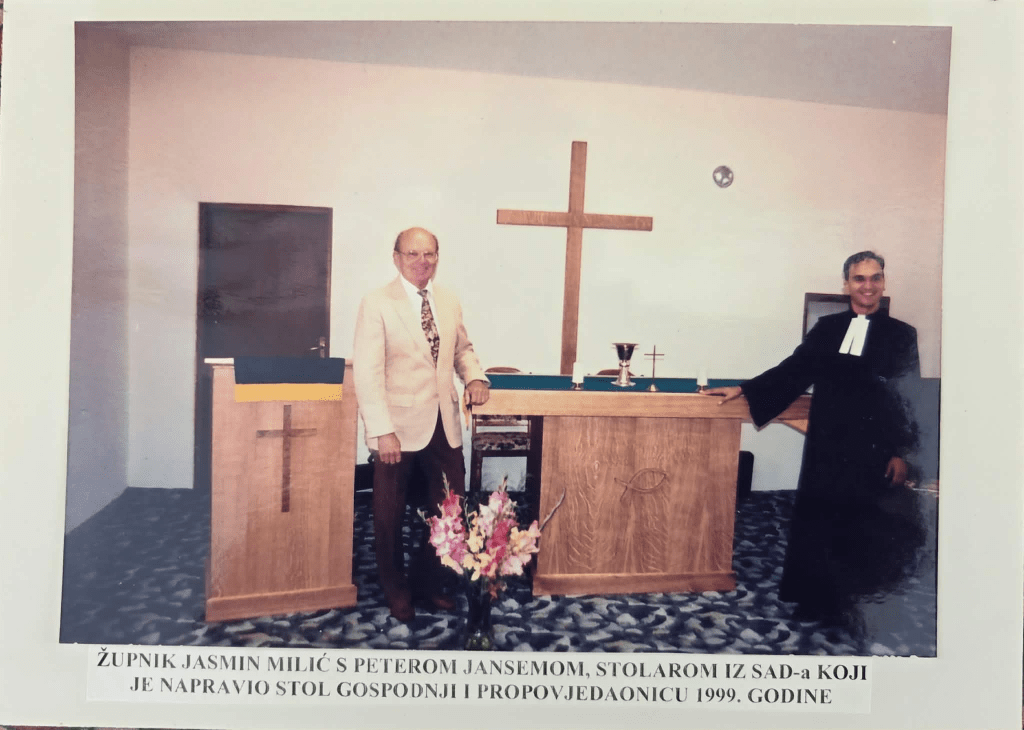
Before the church itself could be restored, the parish hall—a separate building—was renovated and served as the congregation’s place of worship until the restoration of the church was completed. During this period, Peter Jansen, a master carpenter from the United States, travelled to Tordinci and handcrafted a wooden pulpit and altar (the Lord’s Table), enabling the congregation to resume regular worship. Once the church had been restored, these furnishings were transferred into the sanctuary, where they remain in use today. Since then, the congregation has celebrated the Holy Eucharist every Sunday, using this chalice together with the traditional Eucharistic liturgy of the Book of Common Prayer.
Twenty-seven years after the congregation’s return, the church in Tordinci stands as a living testimony to God’s faithfulness, His providential care, and His unfailing commitment to His people. Today, the Municipality of Tordinci, comprising the village itself and several surrounding communities, has a population of approximately 1,700. While the Roman Catholic Church now represents the majority of Christians in the village, the historic Reformed congregation continues its faithful ministry through regular Sunday worship, Bible studies, children’s catechesis, and pastoral care. Beyond its local ministry, the parish has also become the spiritual mother church of the Reformed Episcopal Church in Croatia. During the past fifteen years, six new congregations have been established, all looking to this historic parish in Tordinci as their spiritual home and centre of mission.
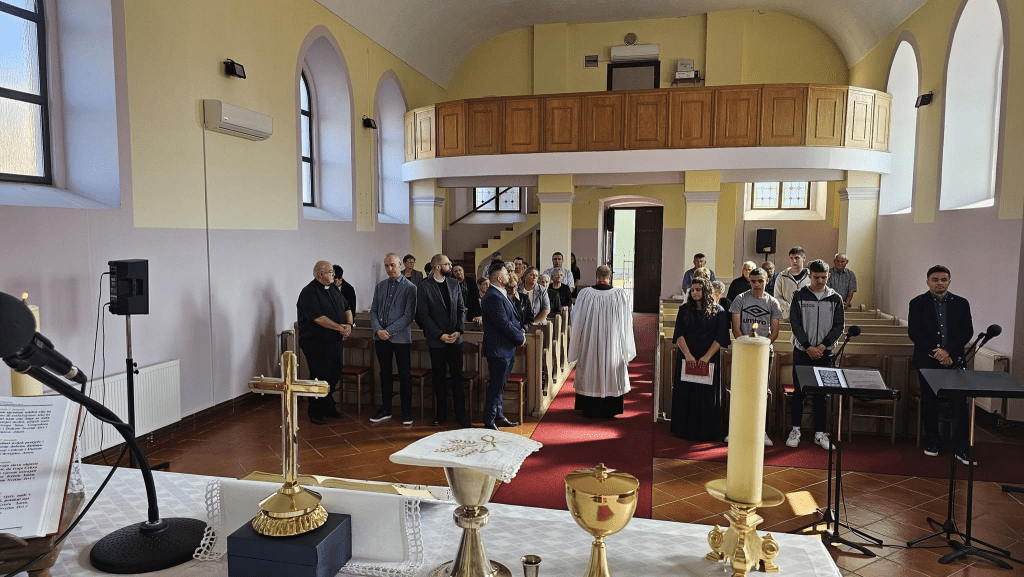
Thanks to its restoration, the church—so severely damaged during the war—once again bears witness that evil does not have the final word. The sound of church bells has replaced the noise of gunfire and shelling, calling people once more to worship, fellowship, and hope. From this church, which suffered so greatly during the Croatian War of Independence in the 1990s, a new mission has also been established in neighbouring Serbia, with a congregation now worshipping in Belgrade. In this way, the story of Tordinci reminds us that the love of Christ is stronger than hatred, overcoming the wounds of the past and building bridges of forgiveness, reconciliation, and a shared future among nations.
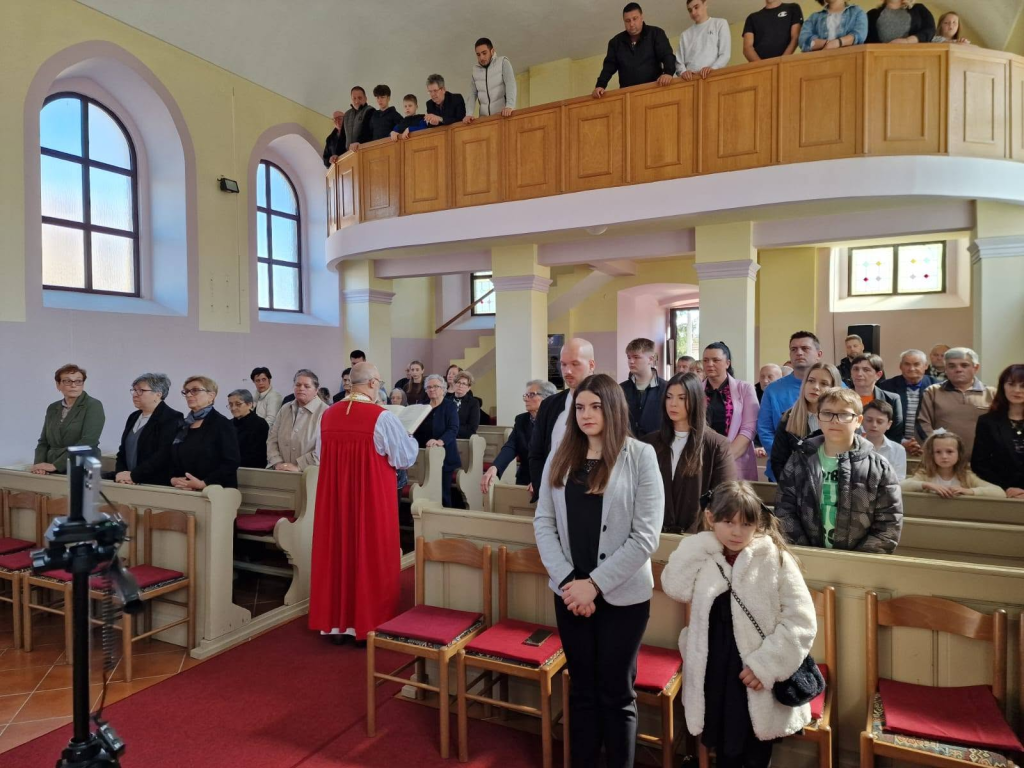
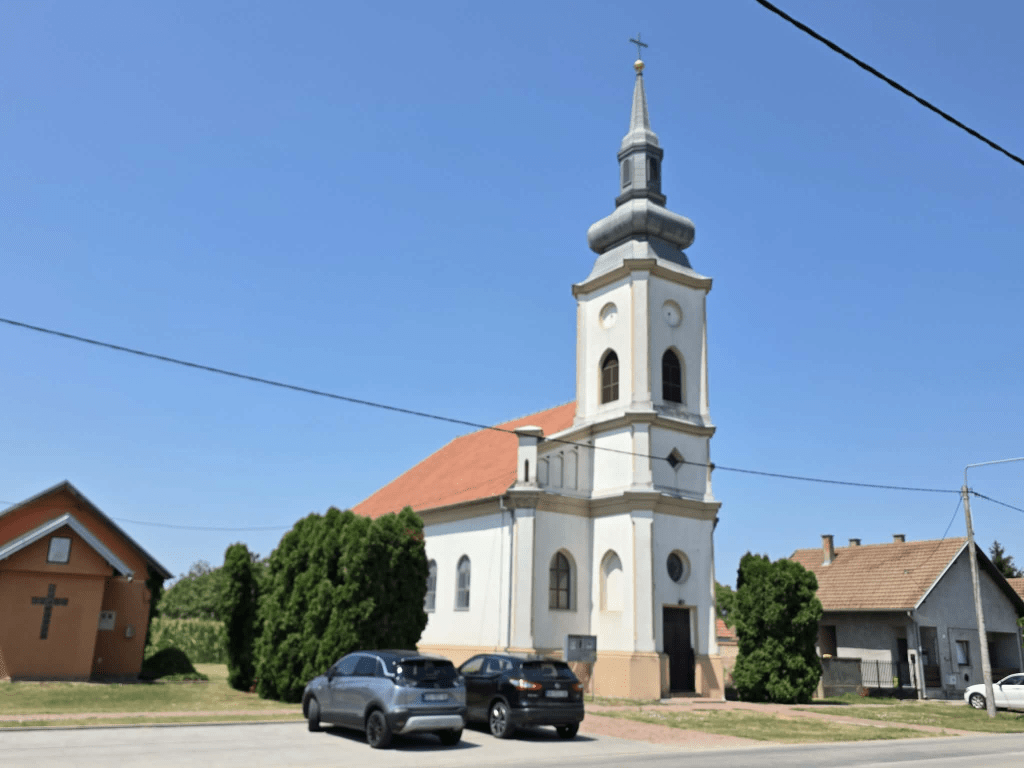
The historic church in Tordinci is periodically featured in live broadcasts of Christian worship on Croatian National Television. The video below shows the live celebration of the Holy Eucharist on 15 February 2026, bearing witness to the renewed life of this historic congregation and its enduring ministry.
Through these televised services, as well as on many other significant occasions, the church in Tordinci has consistently borne witness to Christian unity. Open to ecumenical cooperation, it has frequently welcomed representatives of different Christian traditions to worship and pray together, proclaiming that Jesus Christ remains the answer for every age—in times of peace as well as in times of suffering. Having endured both prosperity and hardship throughout its long history, this small congregation is able to bear authentic witness, from its own experience, to God’s faithfulness and the hope found in Christ alone.
Conclusion
This chalice stands as a tangible link between two churches and two Christian communities united in faith. It is a symbol of Christ’s abiding presence in the Holy Eucharist, a witness to God’s victory over evil, and a reminder that His Church endures through every generation. Yet, every time it is placed upon the Lord’s Table, it also points beyond this world to our ultimate hope: the heavenly banquet, where God’s people will behold the face of their Lord and rejoice in His presence forever.
May this chalice continue to bear witness to future generations that the Lord has faithfully preserved His Church in Tordinci, sustaining His people with the heavenly bread in times of peace and in times of suffering.
Soli Deo Gloria.
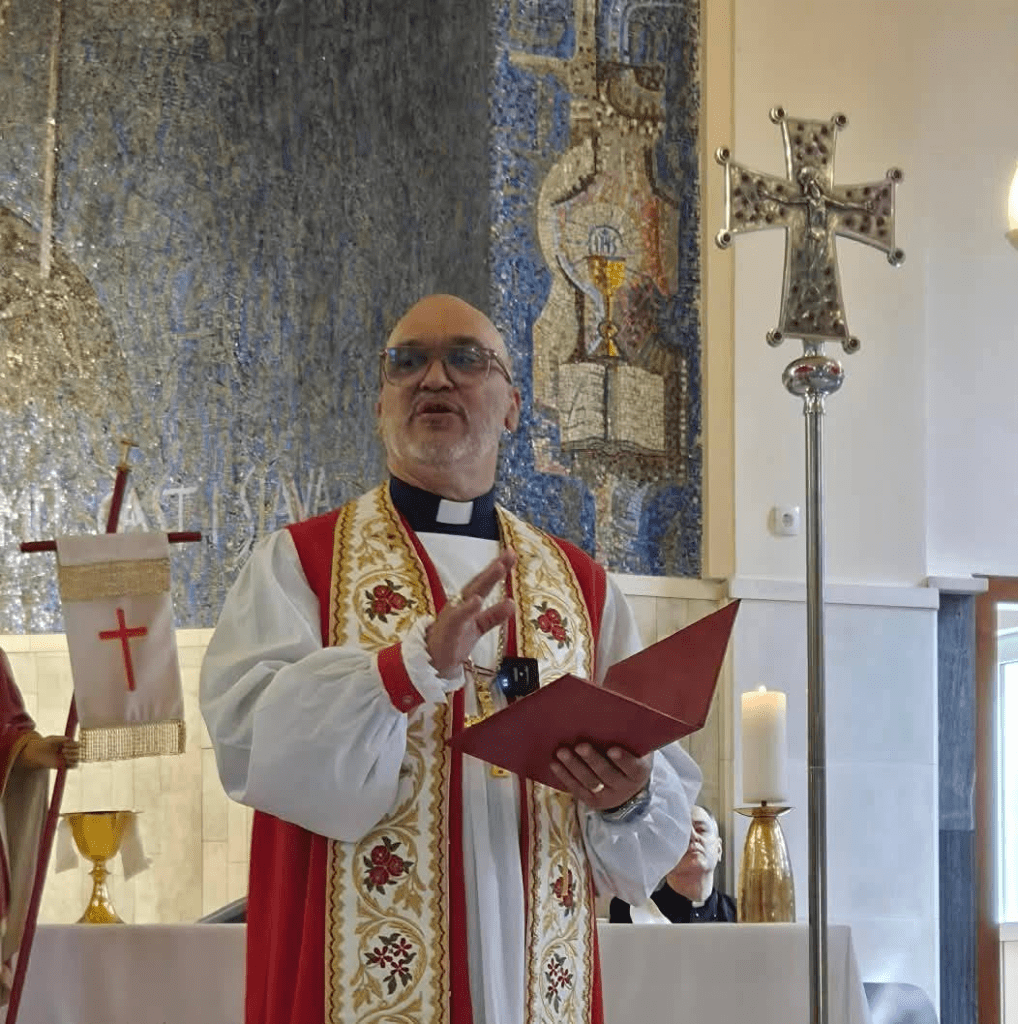
Rt. Rev. Dr Jasmin Milić has served as Rector of the historic Reformed Parish in Tordinci since 1999. He was consecrated Bishop of the Reformed Episcopal Diocese of Croatia and Serbia in 2013. He earned his doctorate in Church History, specializing in the Reformation in Croatia, with particular emphasis on the history and development of the Tordinci parish.

Discover more from Horizonti vjere
Subscribe to get the latest posts sent to your email.
