

Reformed Churches in Croatia
This article presents a comprehensive overview of the Reformed Churches in Croatia, With roots in the 16th-century Reformation, these churches have developed distinct identities while preserving a shared theological tradition based on Scripture, the early Christian creeds, and Reformed confessions such as the Second Helvetic Confession, Heidelberg Catechism, and the Thirty-Nine Articles of Religion.
Protestantism has been present in what is now Croatia since the very beginning of the Reformation in the 16th century. Although Lutheran parishes (named after the reformer Martin Luther) also emerged during that time, they have not survived continuously to the present day. In contrast, the Reformed tradition—popularly known as Calvinist, after the reformer John Calvin—has remained active, particularly in Eastern Croatia.
Reformed congregations are most numerous in the regions of Baranja and Slavonia, where many parishes have a historical continuity dating back to the 16th century. Although they operated for centuries as a single organized church, today there are three separate Reformed denominations in Croatia.
There are three denominations in Croatia that include the name ‘Reformed’ in their official title.
The Reformed Christian Church of Hungarians in Croatia
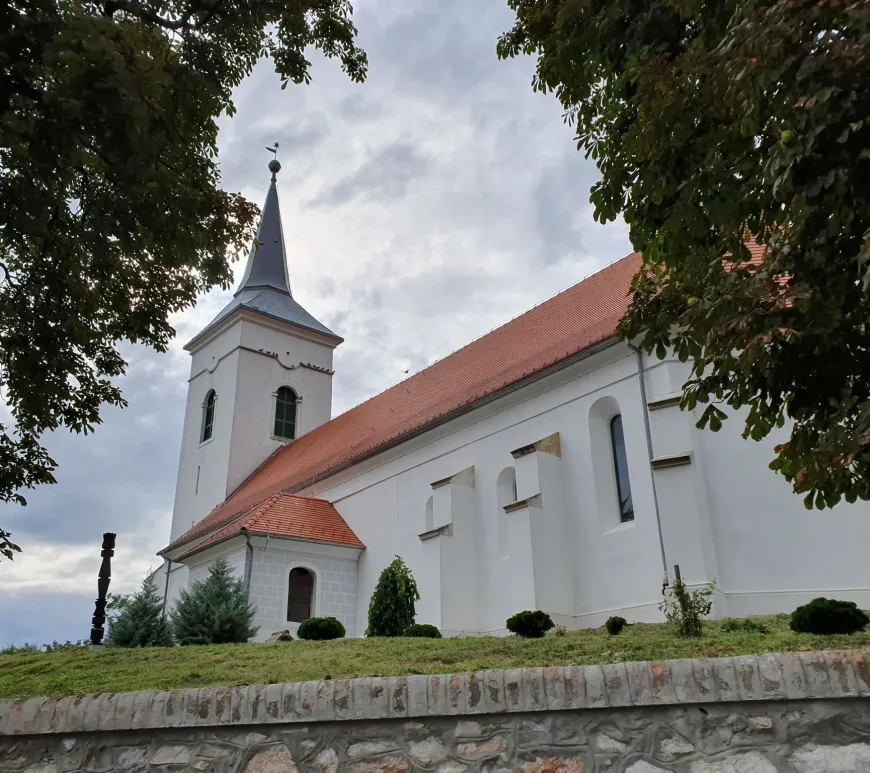
The oldest Protestant church in Croatia, active since the 16th century in the Baranja and Slavonia regions, is the Reformed Christian Church of Hungarians in Croatia. Its most historically significant congregations are in Kneževi Vinogradi, where the first Reformed synod was held in 1576, and in Lug, where prominent Baranja reformers Mihael Starin and Segedi Kiš István once ministered.
This church operated under various names throughout history within the Austro-Hungarian Empire, the Kingdom of Serbs, Croats, and Slovenes, the Kingdom of Yugoslavia, and the Socialist Federal Republic of Yugoslavia. These names included: Evangelical Reformed Church, Evangelical Church of the Helvetic Confession, Reformed Christian Church, Reformed Evangelical Church, and similar. After the breakup of the former Yugoslavia, the church became autonomous under the name Reformed Christian Church in Croatia on January 30, 1993, at a synod held in Osijek (Retfala). Following the establishment of the Register of Religious Communities in 2003, it has operated under its current name: Reformed Christian Church of Hungarians in Croatia.
This is a confessional church which, in addition to Holy Scripture as the final authority and the early Christian creeds (the Nicene-Constantinopolitan, Apostles’, and Athanasian Creeds), bases its doctrine on the Second Helvetic Confession and the Heidelberg Catechism.
The Reformed Christian Church of Hungarians in Croatia is an ethnic church of Reformed Hungarians living in the Republic of Croatia.
The church is governed according to a presbyterian-synodal system. The bishop is elected for a six-year term and may be re-elected.
The current bishop of the Reformed Christian Church of Hungarians in Croatia is Gyuro Varga, consecrated on June 16, 2024, in Kneževi Vinogradi. He succeeded the late Bishop János Kopacsi Kettos. The church headquarters is located in Kopačevo, Baranja.
Protestant Reformed Christian Church in the Republic of Croatia

Several parishes not affiliated with the Hungarian ethnicity became independent as a separate Reformed denomination, the Protestant Reformed Christian Church in the Republic of Croatia, on May 24, 2001. Initially known as the Reformed Christian Church – Tordinci Seniorate, it adopted its current name in 2002.
The oldest congregation of this church is in Tordinci, where the earliest Protestant synod in the region was held in 1551.
Since 2011, the Protestant Reformed Christian Church in the Republic of Croatia has been in full communion and under the jurisdiction of the Reformed Episcopal Church in the USA, a full member of the Anglican Church in North America and the GAFCON movement.
This church has an episcopal structure. The bishop is consecrated by other bishops in apostolic succession, making the office a lifelong one, with active service as long as the bishop’s health permits.
This confessional church, in addition to Holy Scripture as the final authority and the early Christian creeds (Nicene-Constantinopolitan, Apostles’, and Athanasian), bases its teaching on the Thirty-Nine Articles of Religion, and, historically in this region, also on the Heidelberg Catechism.
The Protestant Reformed Christian Church in Croatia maintains fraternal relations with the Reformed Christian Church of Hungarians in Croatia, which gave its blessing for its independence.
The church’s headquarters are in Osijek, in the historic Tvrđa district, where the Mihael Starin Protestant Theological Seminary, the Reformation Information Center, and the Good Shepherd Protestant Reformed Church parish are located.
The current bishop of the Protestant Reformed Christian Church in the Republic of Croatia is Dr. Jasmin Milić, who was consecrated on May 3, 2013, in Tordinci by Anglican bishops from England, the United States, and Germany.
Reformed Christian Calvinist Church in Croatia
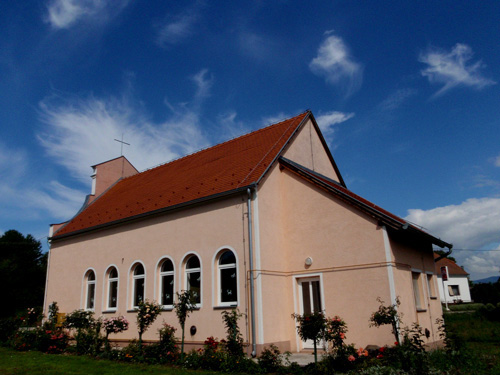
On November 7, 1998, during a synod held in Lug, the Reformed Christian Church in Croatia passed a vote of no confidence in the then-appointed Bishop Endre Langh. Dissatisfied with the decision, Mr. Langh and his supporters founded a new denomination in 1999 under the name Reformed Christian Church in Croatia, Episcopal Office. In 2005, the church changed its name to its current one: Reformed Christian Calvinist Church in Croatia.
The newly established church elected Endre Langh as bishop. He was consecrated on November 24, 2002, in Karanac.
This denomination claimed to be the legal successor of the Reformed Church of Yugoslavia, asserting that it became autonomous in the Republic of Croatia on January 30, 1993. The historical Reformed Christian Church of Hungarians in Croatia contested this claim in court. A final and binding decision was issued, confirming that the legal successor of the Reformed Church of Yugoslavia is the Reformed Christian Church of Hungarians in Croatia, and that the Reformed Christian Calvinist Church in Croatia was formed by separation from it in 1999.
This denomination primarily consists of ethnic Hungarians of the Reformed faith who chose to remain in the newly formed denomination after the separation from the historic Reformed Church of Hungarians in Croatia. The church also has a Czech parish in Bjeliševac, historically associated with the Hussite movement and in communion with the Evangelical Church of Czech Brethren in the Czech Republic.
The Reformed Christian Calvinist Church in Croatia has accepted the doctrinal heritage of the church from which it separated. In addition to Holy Scripture and the early creeds (Nicene-Constantinopolitan, Apostles’, and Athanasian), it bases its teaching on the Second Helvetic Confession and the Heidelberg Catechism.
The church follows a presbyterian-synodal structure. The bishop is elected for a six-year term with the possibility of re-election.
The current and third bishop of this church since its founding in 1999 is Peter Szenn, who succeeded Lajos Csáti Szabó. The church headquarters is located in Lug.
Author: Dr. Jasmin Milić
