
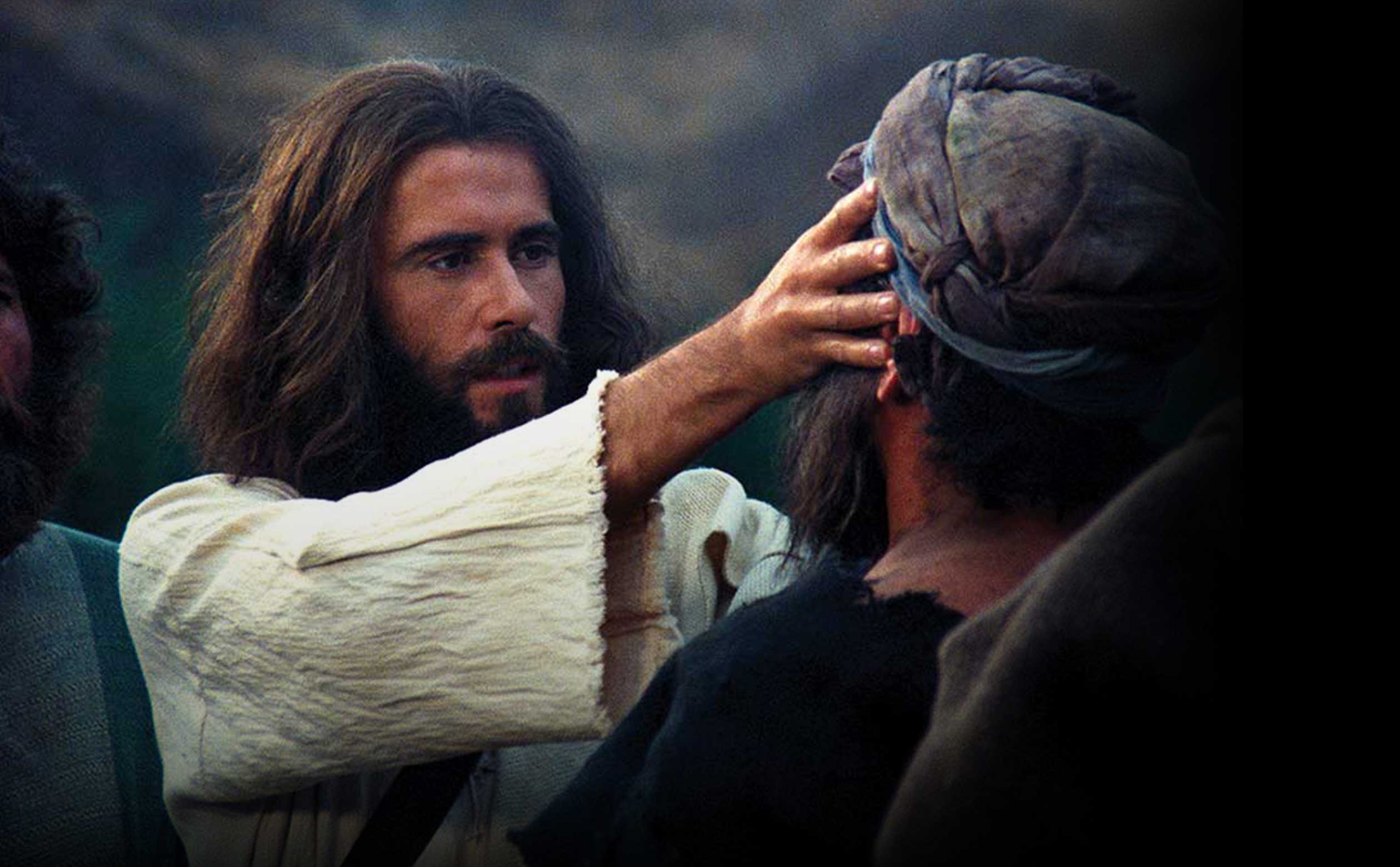
Jesus Heals a Man Born Blind
Discover the deeper meaning behind the miraculous story of Jesus heals a man born blind (John 9). Explore the spiritual symbolism, the clash with the Pharisees, and how Christ brings both physical and spiritual sight. A powerful message about faith, transformation, and the light of the world.
Gospel Reading: John 9:1–38
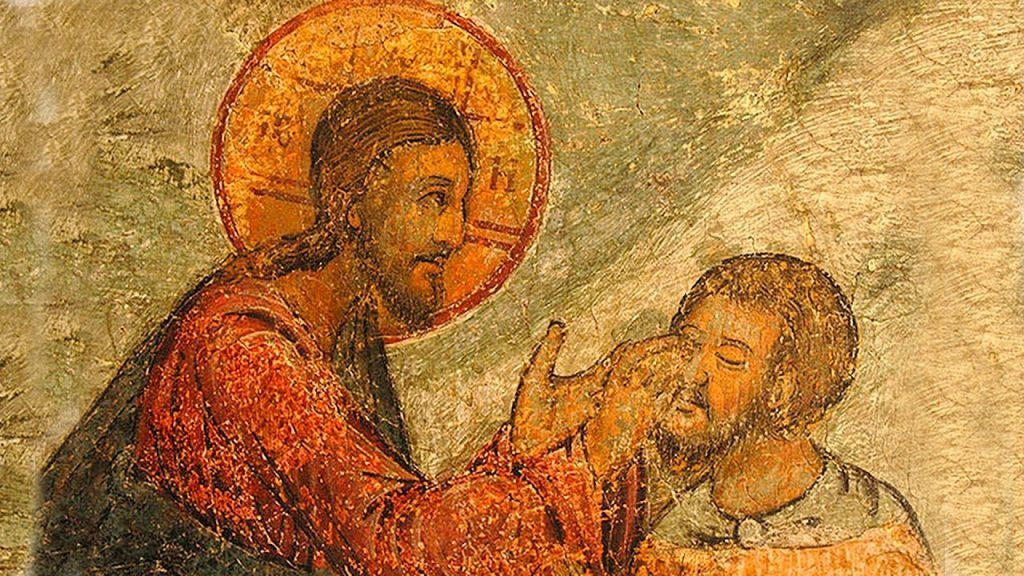
Jesus Heals a Man Born Blind
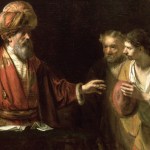
On one occasion, while He was “passing by,” the Lord saw a man who had been blind from birth. Christ was most likely on His way to Jerusalem to attend the Feast of Tabernacles, one of the three great pilgrimage feasts along with Passover and the Feast of Weeks.
Christ was constantly on the move. He rarely had moments of rest, and even then He mostly spent them in prayer. He was never in such a hurry or so busy that He did not have time for a person in need. As He was “passing by,” He did not pass by those in need—as the priest and the Levite did in the parable of the Good Samaritan (Luke 10:30–37). He notices the sick, the possessed, the wounded, the sorrowful, and all who are in distress. Even on the cross, while dying, Christ sees the repentant thief, saves him, and brings him into Paradise.
This blind man is not the only one to whom Christ gave sight, but this healing is unique in many ways. Several accounts of the healing of the blind are found in the Gospels—and surely there were even more. The Word of God tells us that Christ performed many miracles. The Evangelist John writes: “Now Jesus did many other signs in the presence of the disciples, which are not written in this book; but these are written so that you may believe that Jesus is the Christ, the Son of God, and that by believing you may have life in His name.” (John 20:30–31). Every miracle recorded in the Gospels carries an important message and lesson—including this one.
This man was born blind. That is, he had never seen, and it was virtually unimaginable that he could ever see. At the time, people believed that sickness—especially blindness—was the result of some grave sin. But since this man was born blind, the disciples ask Jesus: “Rabbi, who sinned, this man or his parents, that he was born blind?” Logically, he could not have sinned before being born. So, it must have been the sin of his parents. But Christ rejects both assumptions, saying: “It was not that this man sinned, or his parents, but that the works of God might be displayed in him.” Christ says something similar when told that Lazarus is ill: “This illness does not lead to death. It is for the glory of God, so that the Son of God may be glorified through it.” (John 11:4). Christ is Lord of every situation. He restores life to the dead, sight to the blind, and hearing to the deaf. He does all this so that people might recognize the works of God and glorify Him. In our own hardships, let us remember that nothing is impossible for Christ. Even in those moments, the works of God may be revealed. The psalmist conveys the words of the Lord: “Call upon Me in the day of trouble; I will deliver you, and you shall glorify Me.” (Psalm 50:15).
Christ heals the blind man in a rather unusual way. He spits on the ground, makes mud, and anoints the man’s eyes with it. God created man from the dust of the earth. This healing is an act of creation. Christ is not restoring sight to this man—because he never had it—but is creating it. Thus, Christ reveals Himself as God, through whom all things were made (John 1:3).
The Lord sends the man to wash in the pool of Siloam. Just as God required obedience from Adam and Eve after creation, He now asks for obedience from this blind man. The act of washing in the pool will allow him to see. In fact, he has already been given sight, but due to the mud on his eyes, he still cannot see. Once he washes, he will finally see. How many today live in darkness and cannot find a way out, simply because they are not obedient to God. Instead of coming to the source of living water, as Christ spoke to the Samaritan woman, they wallow in sin. Instead of coming into the light, they remain in spiritual darkness. Christ says to His disciples, “I am the light of the world.” Remaining spiritually blind is a greater tragedy than physical blindness. Christ came to give light and sight to the spiritually blind, because “In Him was life, and the life was the light of men.” (John 1:4).
The man’s neighbors and those who had known him—who, because of his disability, had seen him begging—begin to question whether it is really him. A miracle like this could not go unnoticed. Some cannot believe such a healing could happen, and think it must be someone who merely resembles the blind man. When God creates new life in a person, when He brings them from darkness into light, it cannot go unnoticed. People are always divided about God’s work in a person. Some will acknowledge the miracle of new life, while others will deny it. When Christ opened Paul’s spiritual eyes and transformed him from a persecutor of the Church into an apostle of the Church, the disciples and other Christians were skeptical, not believing in his transformation. But with God, all things are possible. A person cannot give themselves new life—but God can.
The man born blind, although he does not yet know who gave him his sight, tells others about the miracle that happened to him. Others want to see Christ but cannot find Him. The healed man is taken to the Pharisees, the religious authorities, so they can verify the healing. The Pharisees are not interested in the fact that he now sees, but in who gave him sight and when. As in other cases, Christ performs this miracle on the Sabbath. Therefore, the Pharisees claim that He is not from God, “because He does not keep the Sabbath.” They had turned a day of rest into a burden. Instead of the Sabbath serving man, man served the Sabbath. That is why the Lord says He is Lord of the Sabbath (Luke 6:5). In doing so, He once again reveals Himself as God—since God Himself instituted the Sabbath. Others ask, “How can a man who is a sinner do such signs?”
The Evangelist notes that there was division among them. Christ always provokes differing opinions. Some see Him as merely a good man or prophet, while others, like Thomas, fall before Him and confess, “My Lord and my God!” (John 20:28). The only true and saving way to see Christ is to recognize Him as God. If we do not see God in Him, then we do not truly know Him. This is also seen in Christ’s words to Philip: “Have I been with you so long, and you still do not know Me, Philip? Whoever has seen Me has seen the Father.” (John 14:9).
The Pharisees ask the man what he says about the one who opened his eyes. He still does not know the full truth about Christ and, like the Samaritan woman (John 4:19), at first sees Him only as a prophet. The Pharisees also question his parents to confirm that he was truly born blind. The parents confirm this, but out of fear, do not say who healed him. For anyone who confessed Jesus to be the Messiah would be put out of the synagogue. That is why they say, “He is of age; ask him.”
The Pharisees demand that the man “give glory to God” by saying that he was healed by a sinner—that is, by someone not from God. This would mean attributing the healing to the devil. Although the man does not yet know everything about Christ, he knows one thing: he was blind, and now he sees. He testifies to his personal experience, which will eventually lead him to full recognition of Christ. That is why it is important for us also to recognize God’s works in our own lives—for through them we come to know the truth about Christ.
The Pharisees still want to know how Christ opened his eyes. While the teachers of the Law inquire who gave him sight, the man marvels that they do not know who did it. The Pharisees want him to say that Jesus is a sinner, but he wisely responds: “We know that God does not listen to sinners. But if anyone is a worshiper of God and does His will, God listens to him. Never since the world began has it been heard that anyone opened the eyes of a man born blind. If this man were not from God, He could do nothing.” God had given him not only physical sight, but also spiritual sight. Spiritually, he sees what the Pharisees do not. They are, in truth, blind to the works of God and remain in darkness. In the man born blind, a complete healing has occurred—of both body and soul.
The pride of the Pharisees is wounded. Those who considered themselves teachers are taught by a blind beggar who Christ truly is. Instead of glorifying God for the healing and acknowledging the truth about Christ, they cast him out of the synagogue. The blind man received his sight—the Pharisees remained blind.
At the end comes the climax of the story. Christ meets the healed man again, reveals Himself to him as the Son of God—in truth, as God—and asks him if he believes in Him. The man asks: “Who is He, Lord, that I may believe in Him?” Jesus replies, “You have seen Him, and it is He who is speaking to you.” The man had never previously seen Jesus with his physical eyes, for he was blind. He had only heard His voice. But now Christ tells him, “You have seen Him! It is He who speaks to you.” Yes, with his spiritual eyes, the man saw what the Pharisees could not—that the One who opened his eyes is without sin and sent from God.
The man replies, “Lord, I believe!” Now his spiritual eyes are fully opened. He believes that Christ is Lord—that is, God. After confessing his faith, “he worshipped Him.” In doing so, he concretely honors Christ as God and confesses saving faith in Christ.
May God grant us spiritual sight to recognize His works in our own lives. Let us confess the true and saving faith in Christ as our Lord and God, and let us worship Him who has brought us out of darkness into His marvelous light. Amen.

Rt.Rev. Jasmin Milić,Ph.D (Reformed episcopal Church in Croatia and Serbia)
More about the Reformed Episcopal Church in Croatia and Serbia can be found here.
Discover more from Horizonti vjere
Subscribe to get the latest posts sent to your email.
